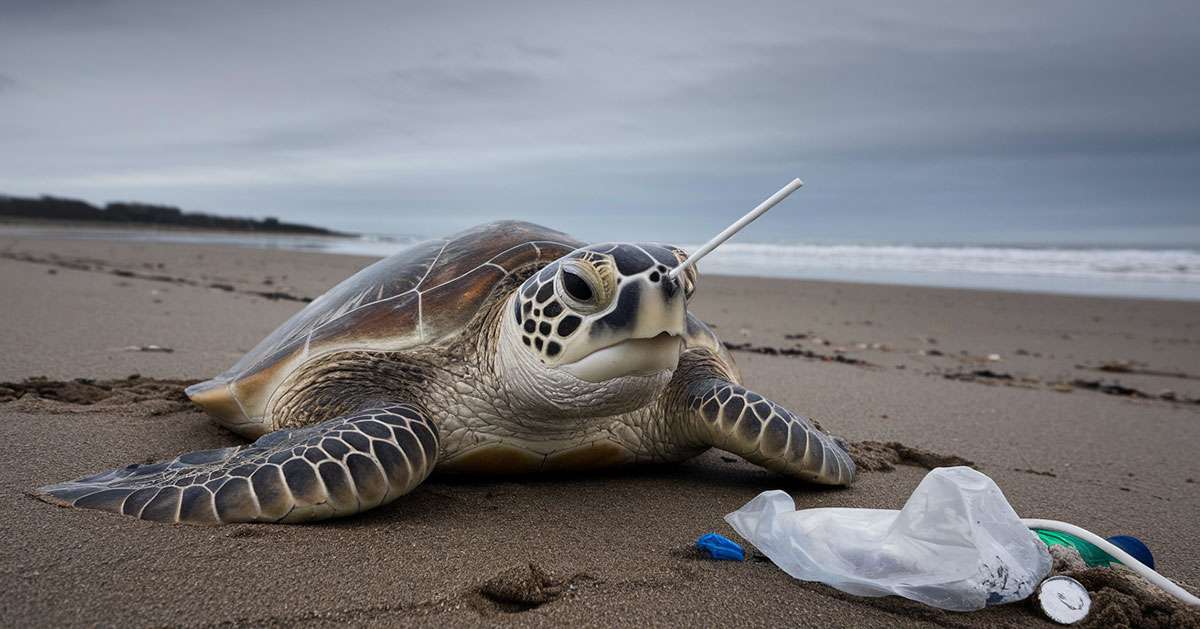
Plastic straws are often dismissed as insignificant. Yet images like a sea turtle harmed by plastic waste tell a different story. What seems like a small convenience has become a serious environmental issue, contributing to plastic pollution, ocean pollution, and long-term ecosystem issues that affect both wildlife and human health.
As conversations around environment and conservation, environmentalism, and environment and health grow louder, single-use plastic straws have become a symbol of how everyday habits contribute to larger environmental problems and issues.
Millions of people are now choosing eco friendly drinking straws as reusable alternatives to plastic that reduce ocean pollution and protect marine life.
How Many Plastic Straws Are Used?
An estimated 500 million plastic straws are used every single day in the United States alone. Globally, the numbers are staggering. Because these items are lightweight and rarely recycled, they often bypass waste systems entirely, becoming plastic waste pollution that enters waterways and oceans.
Plastic straws contribute to plastic contamination, water degradation, and aquatic pollution, breaking down into microplastics that persist for centuries. These fragments are now found in drinking water, marine life, and even the air we breathe as particulate matter.
Understanding particulate matter meaning is critical. These microscopic particles can carry toxics, disrupt ecosystems, and affect environment and health, particularly when combined with air pollutants like nitrogen dioxide, sulfur dioxide, and ozone.
Where Do Plastic Straws End Up?
1. Ocean Pollution and Marine Life
Plastic straws are consistently ranked among the top items collected during global beach cleanups. Once in the ocean, they contribute to ocean pollutions, accumulating in massive zones like the great pacific garbage also known as great pacific garbage patches.
Marine animals often mistake plastic for food. Sea turtles, fish, and seabirds suffer injuries, starvation, or death as a result of plastic and pollution. This is not just an ecological tragedy. It is a growing environmental problem with long-term consequences for biodiversity.
2. Landfills and Long-Term Pollution
When plastic straws do not reach the ocean, they typically end up in landfills where they can remain for hundreds of years. Plastic does not biodegrade. It fragments, creating persistent ecological problems that affect soil and groundwater, worsening water pollution and contributing to environment and environmental problems worldwide.
Countries struggling with waste infrastructure often face accusations of becoming the dirtiest country in the world, highlighting how plastic waste mismanagement fuels global ecological issues.
Why Banning Plastic Straws Isn’t Enough
Government policies and bans are important steps. However, legislation alone cannot solve environmental problems tied to plastic consumption. True progress requires personal accountability and a shift toward conserving the environment through daily choices.
Adopting reusable alternatives to plastic aligns with a zero waste lifestyle, 0 waste lifestyle, or zero trash lifestyle. These movements reflect the deeper environmentalism meaning rooted in reducing waste at the source rather than managing it after damage is done.
A Better Solution: Sustainable Drinking Straws
For beverages like smoothies, cocktails, and especially boba tea straws, single-use plastic options are particularly harmful due to their size and volume. Popular items like fat straw boba, fat straws boba tea, and fat straws bubble tea are rarely recyclable and heavily contribute to plastic straw alternatives discussions.
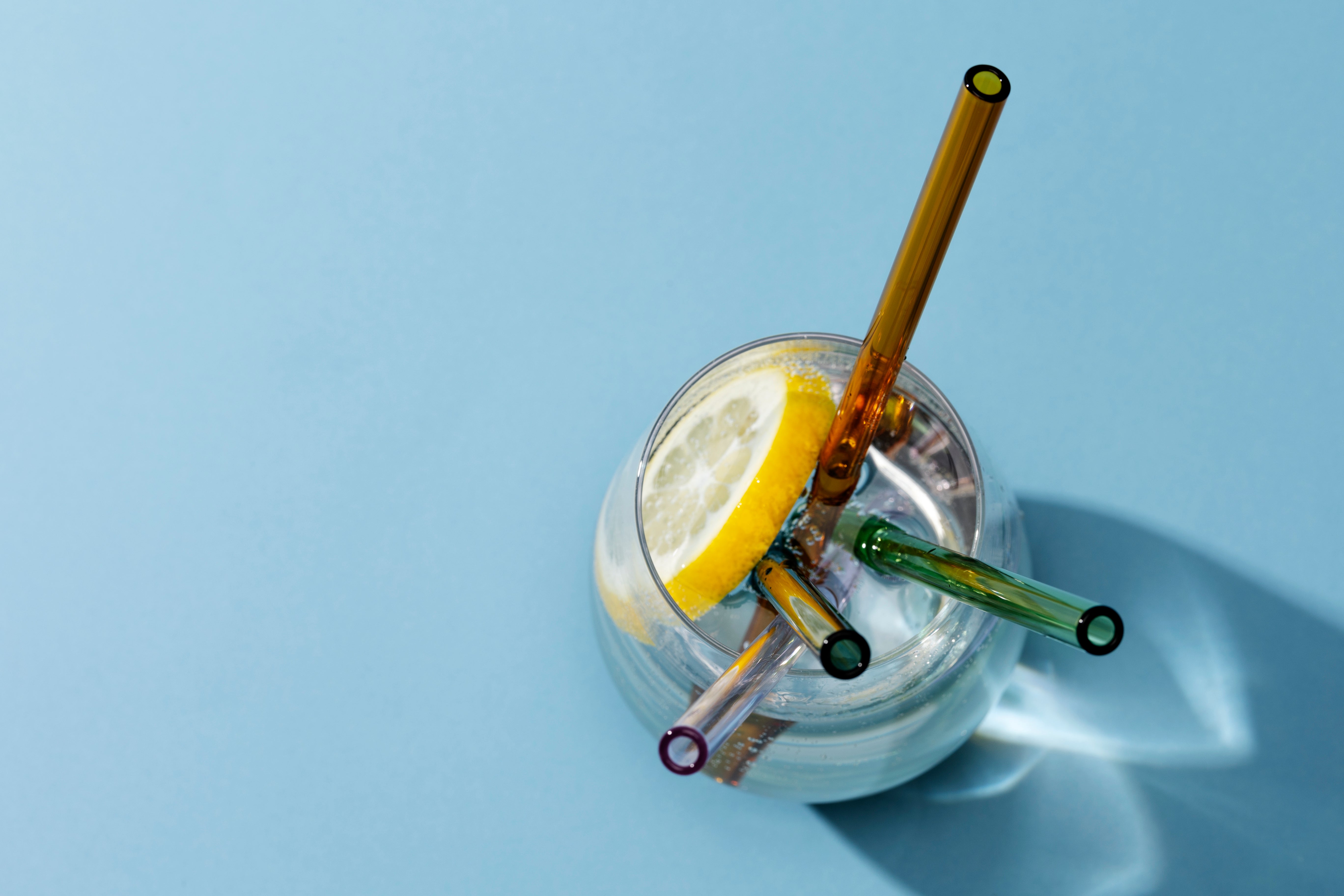
Borosilicate glass drinking straws offer a practical, safe, and elegant solution. Unlike plastic, glass does not leach chemicals, making it a healthy straw choice that supports both sustainability and wellness.
At Sip & Quench, our borosilicate glass straws are designed for durability and everyday use, including small glass straws, smoothie sizes, and fat straws bubble tea options. They are:
- Reusable and long-lasting
- Free from toxics and BPA
- Easy to clean and hygienic
- Suitable for hot and cold drinks
These eco friendly drinking straws, eco friendly straws, and eco straws support a shift toward sustainable alternatives to plastic and straws environmentally friendly practices.
Making the Switch Matters
Choosing sustainable drinking straws is a small action with measurable impact. When individuals opt for alternative plastic straws and alternatives to single use plastic, they actively reduce ocean and pollution, protect marine ecosystems, and support long-term environment in science solutions.
Sustainability is not about perfection. It is about progress.
Take Action Today
Every sip is an opportunity to choose better. Whether you are enjoying coffee, smoothies, or bubble tea, switching to sustainable straws helps reduce plastic waste and protect the planet.
Explore Sip & Quench’s collection of ecological straws and join a growing community committed to cleaner oceans and a healthier future.